
Things to Do in Karjat: Waterfalls, Treks and Nature Escapes — 2026 Guide
Things to Do in Karjat fall into a category most Mumbai travelers have been quietly discovering for years, but few have fully explored. Karjat sits 60 kilometers from Mumbai on the Pune highway — 90 minutes by road, 1.5 hours by Central Railway — and what it offers is the opposite of the city in every specific way that a weekend should be.
This is not a beach destination. The draw here is the Sahyadri hillscape, the Ulhas River cutting through the valley, a monsoon season that turns the region into one of the greenest landscapes in Maharashtra, and a network of forts that rivals anything in the Deccan. The list of things to do in Karjat is built around movement, nature, and the specific silence of a river town that hasn’t been overrun.
This guide covers 25+ activities across five categories: waterfalls, treks, water adventures, nature escapes, and culture. Whether you’re visiting for the first time or returning for the season, every section has something worth planning around.
Top Things to Do in Karjat: Scenic Waterfalls, Treks & Hidden Gems

Staying in Karjat? WhatsApp our concierge for Story By The River availability →
25+ Things to Do in Karjat: Quick Overview
| Category | Top Activities | Best Season |
| Waterfalls | Bhivpuri, Bekare, Vagni, Palasdari, Ulhas Valley | Monsoon (June-September) |
| Treks | Rajmachi Fort, Kondana Caves, Peth Fort, Bhivgad, Chanderi | October-February |
| Water Adventures | White water rafting (Ulhas River), rappelling, kayaking | October-February |
| Nature Escapes | Ulhas Valley walk, farm stays, cycling, stargazing, dam | Year-round |
| Culture & Local | ND Studios, Kondeshwar Temple, Maharashtrian food, village walks | Year-round |
Karjat’s character changes dramatically with the season. If you’re visiting in June-September, you’re here for the waterfalls. If you’re visiting October-February, you’re here for the treks and the open skies. Both are correct answers; they’re different trips.
Category 1: Waterfalls — Karjat’s Signature Monsoon Draw
More than any other category of things to do in Karjat, it’s the waterfalls that define the destination’s peak-season identity. June to September transforms the Sahyadri slopes into a network of cascading drops, misty pools, and green cliffs that simply don’t exist in this form at any other time of year.
1. Bhivpuri Waterfalls — The Most Famous Karjat Waterfall
One of the most popular Things to do in Karjat during monsoon is visiting Bhivpuri Waterfalls. Located near the Bhivpuri Road railway station, this waterfall attracts thousands of travelers every year because of its easy accessibility and refreshing natural pools. The waterfall becomes extremely scenic during July and August when the Sahyadri hills turn completely green.
The short trek through muddy trails and streams adds adventure to the experience, making it perfect for groups and weekend travelers.
Location: Bhivpuri village, near Bhivpuri railway station
Best time: July-September (peak monsoon flow)
How to reach: Train from Mumbai to Bhivpuri + short walk OR drive from Karjat town
2. Bekare Falls — Less Crowded, Just as Dramatic
Bekare Falls is one of the hidden gems among the many Things to do in Karjat. Located near Bhivpuri village, the waterfall is less crowded than Bhivpuri Falls and offers a more peaceful natural experience.
The trek to Bekare Falls takes around 20–30 minutes through hilly terrain and forest trails. During heavy monsoon, the waterfall becomes powerful and visually stunning, making it ideal for photography and nature walks.
Location: Near Bhivpuri village
Trekking required: 20-30 min on a hilly trail
Best time: July-August for maximum flow
3. Vagni Falls — The Photographers’ Pick
For travelers looking for offbeat Things to do in Karjat, Vagni Falls is an excellent option. Accessible through the Vagni railway station on the Karjat-Khopoli line, this waterfall remains less commercialized and quieter than other tourist spots.
The forest walk leading to the waterfall evokes a peaceful monsoon atmosphere, especially for photographers and solo travelers seeking untouched nature.
Access: Vagni railway station (request halt) on the Mumbai-Pune line
Crowd level: Very light
Best for: Photographers, serious nature walkers
4. Palasdari Falls — Seasonal Cascade Above the Valley
Palasdari Falls appears seasonally on the hillside above Palasdari village during the heavy monsoon. Less accessible than the railway-station waterfalls, it’s best reached by road and a short hike. The falls are surrounded by one of the denser forest patches in the Karjat belt — good for birding en route. Check local conditions before visiting; the access trail can be blocked during very heavy rain.
5. Ulhas Valley Streams — The Full Monsoon Landscape
Rather than a single waterfall, the Ulhas Valley during monsoon is a network of dozens of smaller cascades, streams, and rivulets flowing down the Sahyadri slopes into the Ulhas River. Walking through the valley during July-August is an immersive experience — the sound and visuals of water coming from every direction simultaneously. The valley walk from Karjat town towards the Rajmachi base gives the fullest version of this landscape.
Category 2: Treks — Karjat’s Year-Round Sahyadri Circuit
Treks are the dominant activity in Karjat outside the monsoon season. The Sahyadri range offers routes from beginner-friendly 2-hour hikes to full overnight fort expeditions, all within 15-30 km of the town. October to February is the peak trekking season — cool air, clear views, and dry trails.
6. Rajmachi Fort Trek — The Overnight Classic
Rajmachi Fort Trek is one of the most famous trekking experiences in Maharashtra and easily ranks among the top Things to Do in Karjat. The trek passes through forests, streams, and open meadows before reaching the historic twin forts of Srivardhan and Manaranjan.
Adventure lovers often choose overnight treks and camping here for the stunning sunrise and panoramic Sahyadri views from the top.
Distance: 16 km one way (Kondana route)
Duration: 6-7 hours each way
Difficulty: Moderate to challenging
Best for: Experienced trekkers, overnight groups
7. Kondana Caves Trek — History + Trek Combined
Kondana Caves are ancient Buddhist rock-cut caves dating to the 1st century BC, perched on a hillside above the village of Kondana. The trek takes approximately 1 hour from the village and passes through a section of dense forest before opening onto the cave complex — intact stupas, chaityas, and viharas carved directly into the basalt. One of the most historically significant sites in the Karjat belt, and regularly overlooked in favor of the more famous fort treks.
Location: Kondana village, near Rajmachi base
Trek duration: ~1 hour from the village
Historical period: 1st century BC (Hinayana Buddhist)
Difficulty: Easy to moderate
8. Peth Fort (Kothaligad) Trek — Best for Beginners
Peth Fort, also known as Kothaligad, is one of the easiest and most beginner-friendly treks in the Karjat region. For first-time trekkers searching for adventurous Things to do in Karjat, this trek is highly recommended.
The trail passes through scenic meadows and small rocky patches before reaching the iconic fort structure overlooking the valley.
Base village: Ambivali (20 min from Karjat town)
Duration: 2-3 hours return
Difficulty: Easy — suitable for beginners
Best season: October-February
9. Bhivgad Fort Trek — The Quieter Alternative
Bhivgad Fort sits on a ridge above the village of Bhivgad and offers one of Karjat’s less commercialized trekking routes. The trail is shorter than Rajmachi (3-4 hours return) and sees a fraction of the traffic of the popular forts, which keeps the experience genuinely local. The fort walls are partially intact; the ridgeline view across the Ulhas Valley towards Peth Fort makes it particularly photogenic in October-November post-monsoon.
10. Chanderi Fort Trek — Moderate Challenge with River Views
Chanderi Fort is a moderately challenging 4-5-hour trek accessible from the town of Karjat. The route offers consistent views of the Ulhas River bend below — one of the more unusual trekking perspectives in Maharashtra where you watch the river from above rather than alongside it. Less frequent trail maintenance than Rajmachi; a local guide is recommended for first-timers on this route.
Duration: 4-5 hours return Difficulty: Moderate Highlight: Ulhas River aerial views from ridgeline
Plan your Karjat trek from Story By The River — riverside base, Sahyadri access →
Category 3: Water Adventures — The Ulhas River Circuit
11. White Water Rafting on the Ulhas River
The Ulhas River through Karjat offers white water rafting across rapids ranging from Grade II to Grade IV — accessible for both beginners and experienced rafters. Several operators run organized rafting sessions between October and early June (avoiding the monsoon when the river runs dangerously high). The 10-12 km rafting stretch features multiple sets of rapids with calm recovery sections, typically taking 2-3 hours. One of the most popular activities in Karjat for groups and corporate outings.
Season: October to June (not during monsoon)
Rapids: Grade II-IV depending on section and water level
Duration: 2-3 hours for the standard stretch.
Suitable for: Adults and children above 10 years
12. Rappelling at Bhivpuri
Bhivpuri’s rock faces support organized rappelling sessions run by adventure operators based near the railway station. The descent faces are 40-80 meters depending on the section, offering everything from beginner rappels to more serious multi-pitch descents for experienced participants. Best combined with the Bhivpuri waterfall visit — operators typically run both in the same session.
Location: Near Bhivpuri railway station
Best season: October to May (monsoon face too slippery)
Height: 40-80 meter sections
13. Kayaking and Canoeing on the Ulhas
For slower-paced water activity, kayaking and canoeing on the calmer sections of the Ulhas River near Karjat town is available through a small number of specialist operators. The river at this point is wide and gentle, ideal for morning paddling with hills in view in every direction. Best arranged a day in advance through accommodation; not widely advertised.
14. Waterfall Rappelling (Monsoon)
Rappelling directly down active waterfalls is a monsoon-specific activity that several adventure operators offer in the Karjat circuit — primarily at Bhivpuri and one or two other falls. This is more extreme than dry-rock rappelling; it requires full waterproof gear and an experienced guide. For adventure travelers who specifically want the combination of waterfall force and vertical descent, this is the peak experience during July-August.
Category 4: Nature Escapes — Slow Travel in the Sahyadri
15. Ulhas Valley Nature Walk
The Ulhas Valley is the quietest and most immersive among all things to do in Karjat for slow travelers. Walking along the river’s edge or across the valley floor (particularly between Karjat town and the Rajmachi base village) offers consistent views of the Sahyadri ridge, seasonal streams, and paddy fields in various states of harvest depending on the time of year. No guide needed; 4-6-hour circular walk.
16. Cycling Through Karjat’s Village Roads
The flat roads connecting Karjat town, Ambivali, Kondana, and Palghar village are quiet, well-surfaced, and surrounded by valley farmland that changes character with every season. A 3-4 hour morning cycling circuit covers approximately 20-25 km through villages, mango orchards, and riverside stretches that most car-based visitors never see. Bicycles are available for rent near the station.
17. Pali Bhutivali Dam — Karjat’s Scenic Picnic Spot
The dam near Bhutivali serves as both an agricultural water source and one of Karjat’s most visited picnic destinations. The reservoir view, surrounding green hills, and open infrastructure make it a reliably photogenic and relatively quiet destination even on weekends. Best visited in the morning for light quality and fewer visitors.
Distance from Karjat town: ~10 km
Best time: Morning, October-February
Crowd level: Light to moderate
18. Camping by the Ulhas River
Overnight camping on the riverbanks near Karjat is arranged by several outdoor operators. The standard package includes tented accommodation, a bonfire, and basic meals — most sessions run from October through February, when the ground is dry and the nights are cool enough to make the campfire worthwhile. Rajmachi Fort is the most popular camping destination; riverbank camps near the town of Karjat are a more accessible option.
19. Stargazing from Karjat’s Hills
Karjat’s distance from Mumbai’s light pollution — combined with the absence of major commercial development in the surrounding valley — makes it one of the better stargazing destinations within a 2-hour radius of the city. Clear nights in October-February reveal a sky quality unavailable in Pune or Mumbai. The Rajmachi plateau and the open meadows near Bhivgad are the best places for stargazing.
20. Bird Watching in the Ulhas Valley
The Ulhas Valley’s river edge, forested hillslopes, and paddy-field surroundings support a diverse bird population, including Malabar Whistling Thrush, Indian Pitta (monsoon), various kingfisher species, and migratory birds from October to February. Morning walks along the river from 6-9 AM with binoculars yield reliable sightings.
Category 5: Culture & Local Experiences
21. ND Studios — India’s Largest Film Sets
ND Studios in Karjat is one of India’s largest outdoor film studios — responsible for sets seen in dozens of Bollywood productions over the last three decades. While not always open to the public for regular visits, pre-arranged group tours are occasionally available. The sheer scale of the permanent sets (European streets, Mughal palaces, medieval forts) makes it a genuinely unusual attraction for film enthusiasts.
Access: Pre-arranged group tours only — check current availability
Distance from Karjat town: ~5 km
Trivia: Sets from Devdas, Jodhaa Akbar, and multiple other major productions
22. Kondeshwar Temple — Riverside Spiritual Site
The Kondeshwar Temple, dedicated to Lord Shiva, is one of Karjat’s most significant religious sites, situated near a riverfront and backed by the Sahyadri hillscape. The setting — temple, cascading stream, coconut grove — is particularly photogenic and peaceful in the early morning. Significant during festivals like Mahashivratri when it draws large gatherings.
Location: Near Bhoj village
Best time: Early morning or festival days
Atmosphere: Quiet and spiritual outside festival periods
23. Karjat’s Local Maharashtrian Food
The food in Karjat is genuinely Maharashtrian rather than tourist-adapted. Small dhabas and local restaurants near the station and Karjat town serve Vada Pav, Misal Pav, Pitla Bhakri, and fresh coconut-based curries at prices that Mumbai equivalents can’t match. Meher Bakery near the station has been serving freshly baked bread and khari biscuits for decades — a specific Karjat experience worth the stop.
24. Farm Stays — Rural Life Immersion
Several families in the Karjat belt offer informal farm stays — overnight accommodation on working farms where guests participate in or observe agricultural activities, cooking on wood fires, and the general rhythm of Sahyadri village life. More basic in comfort than a villa, but deeply authentic as an experience. Best arranged through local travel operators or accommodation hosts.
25. Karjat’s Local Village Markets
Small weekly markets in the villages surrounding Karjat (Ambivali, Kondana, Bhoj) sell local produce, wild honey, seasonal vegetables, and handicrafts at prices and with a social energy that no tourist market replicates. Timing varies by village — ask your accommodation host for the nearest active market day during your stay.
Staying at Story By The River? Ask our caretaker for the nearest market day →
Best Time for Things to Do in Karjat
| Season | Months | Best Activities | What to Skip |
| Monsoon (Waterfalls Season) | June to September | Bhivpuri + Bekare + Vagni falls, waterfall rappelling, Ulhas Valley green walk, monsoon photography. | River rafting, most fort treks (slippery), Rajmachi overnight (dangerous trails) |
| Winter (Trekking Season — BEST) | October to February | ALL treks, river rafting, rappelling, cycling, stargazing, Kondana Caves, camping, bird watching | Nothing to avoid — peak season for everything |
| Summer | March to May | Early morning treks and cycling (before 9 AM only), ND Studios, temple visits, local food | Midday outdoor activity (heat intense), waterfall visits (dried up) |
The practical takeaway: visit in July for the waterfalls, visit in November-January for the treks. If you want both in one trip, October is the only month where early-monsoon waterfalls and post-monsoon trekking conditions briefly overlap.
Where to Stay in Karjat: Story By The River — Privy Stays
The right base for the full range of things to do in Karjat is a private villa rather than a hotel — primarily because Karjat’s best activities require early morning starts (waterfall visits before 9 AM, trek departures at 5-6 AM) and late evening returns (Rajmachi overnight, campfire evenings) that hotel check-in and meal timing actively work against.
Story By The River — Privy Stays’ Karjat Villa
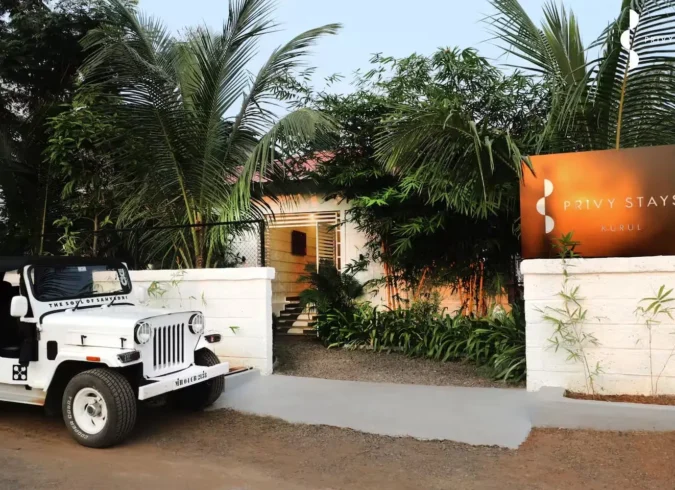
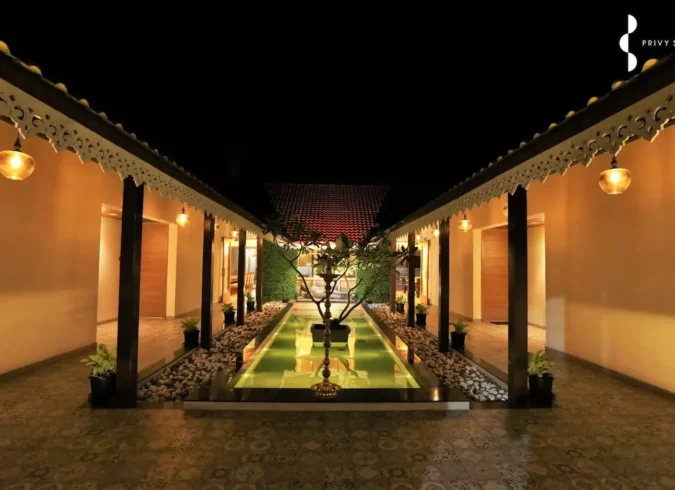
Privy Stays’ flagship Karjat property is Story By The River — a 3 BHK luxury villa with a riverside setting, rustic brick architecture, warm wooden interiors, and direct access to the Sahyadri landscape that best defines Karjat.
The villa is designed for what Karjat specifically offers: slow mornings by the river, a private outdoor space for post-trek recovery, a kitchen-equipped retreat for evening meals after a day in the hills, and an atmosphere that genuinely reflects the destination’s nature-centric character rather than importing a generic luxury aesthetic.
Configuration: 3 BHK — ideal for families, couples, and small groups
Setting: Riverside — direct proximity to the Ulhas River
Architecture: Rustic brick + warm wooden interiors
Best for: Weekend escapes, trekking base, slow travel retreats
- Morning: Early start to Rajmachi or Bhivpuri, leaving from the villa at 5-6 AM
- Afternoon: River walk or cycling from the property, lunch in the villa
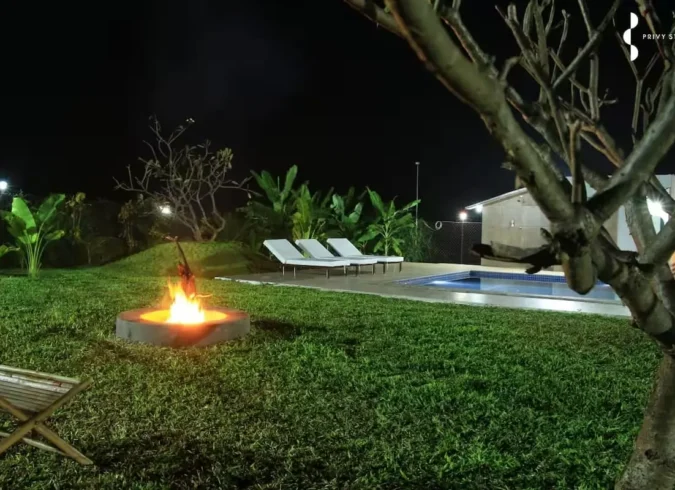
- Evening: Chef-prepared local Maharashtrian meal, bonfire, stargazing from the lawn
- Return: Late morning checkout — Karjat is 90 minutes back to Mumbai via road or train
Direct booking at privystays.com/villa/luxury-3bhk-villa-in-karjat/ —
No OTA markup, concierge coordination for trekking guides, river rafting operators, and local activity arrangements.
Book Story By The River — Privy Stays’ Karjat villa, direct booking →
Frequently Asked Questions for Things to Do in Karjat : FAQ
Q1. How far is Karjat from Mumbai?
Answer: Things to Do in Karjat are accessible from Mumbai in approximately 1.5 to 2 hours. The distance is 60-70 km via the Mumbai-Pune Expressway. By Central Railway, local and express trains run from Mumbai CST to Karjat station in approximately 1.5 to 2 hours.
Q2. What is Karjat famous for?
Answer: Things to Do in Karjat that make it most famous: the monsoon waterfall circuit (Bhivpuri being the signature destination), the Rajmachi Fort overnight trek, white water rafting on the Ulhas River, and more recently, the Kondana Buddhist Caves. ND Studios — one of India’s largest outdoor film sets — is the least expected addition.
Q3. Is Karjat a good place to visit during the monsoon?
Answer: Yes — monsoon (June-September) is Karjat’s peak waterfall season and the most visually dramatic time to visit. However, most treks become dangerous or inaccessible during the heavy monsoon season, river rafting is unavailable, and some approach roads to waterfalls become slippery. Visit in monsoon for the waterfalls; visit October-February for treks and river activities.
Q4. How many days are needed for Karjat?
Answer: 2 nights and 3 days cover the best of the things to do in Karjat: one day for waterfalls and rappelling, one day for a fort trek, and the third for cycling or a valley walk. For Rajmachi overnight, build in a separate night at the fort.
Q5. What are the best treks near Karjat for beginners?
Answer: Peth Fort (Kothaligad) is the best beginner trek near Karjat — 2-3 hours return, an easy gradient, and a well-marked trail. Kondana Caves is the best heritage trek for beginners — 1 hour from the village, a manageable trail, and a significant destination. Both are suitable without prior trekking experience.
Q6. Can I do Bhivpuri waterfalls and a fort trek on the same day?
Answer: Yes — Bhivpuri waterfalls in the early morning (6-9 AM), followed by Peth Fort in the late morning (10 AM-1 PM), is a viable same-day itinerary. Rajmachi and Bhivpuri are not feasible on the same day unless you’re extremely fit and starting very early.
Q7. Where is Story By The River located in Karjat?
Answer: Story By The River is Privy Stays’ 3 BHK villa on the Ulhas River, positioned for direct river access and proximity to the key activities in the Karjat circuit. The villa is accessible from Karjat town and the railway station.
Book at privystays.com/villa/luxury-3bhk-villa-in-karjat/ for current availability and rates.
The Bottom Line
Things to Do in Karjat are not exhausted in a single visit. The Sahyadri offers different landscapes every season; each waterfall has its own window, and the fort circuit alone could structure three or four separate trips depending on your pace. The mistake most visitors make is treating it as a one-day excursion — driving up, doing Bhivpuri, and driving back. The destination is built for staying.
Two nights give you a waterfall morning, a fort morning, a river afternoon, and an evening that actually slows down. Three nights give you everything. Start with Story By The River as your base, pick two activities from the list above, and add a third based on what the season offers.
Book the villa at privystays.com/villa/luxury-3bhk-villa-in-karjat/.
WhatsApp our concierge with your dates, and we’ll send a curated two-day Karjat itinerary matched to your group and the season.